


























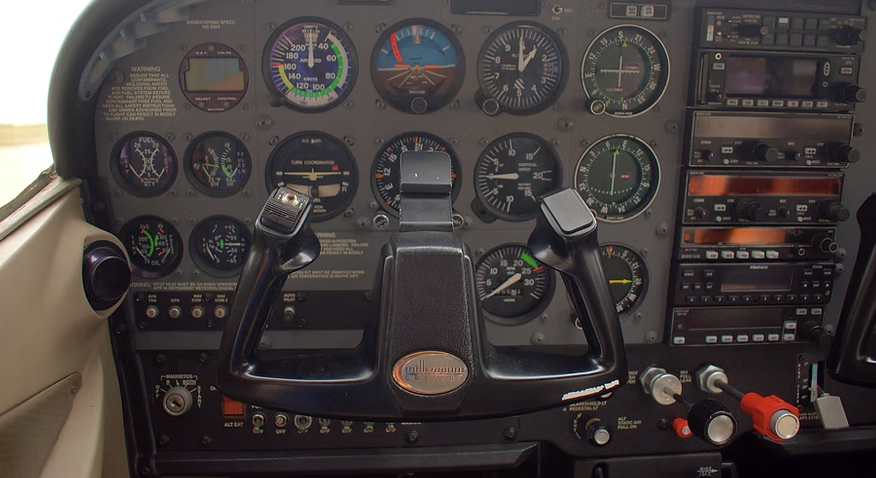
Starting in aviation can be hard especially when you don’t know what everything means and what is required to get in the cockpit of an airplane. Here in order is an introductory list of the licenses and ratings that you can get in aviation for fixed wing planes.
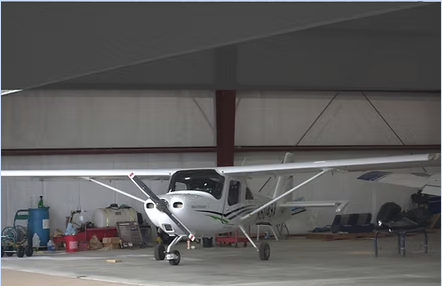
- The first step on your aviation journey is obtaining either a sport or private pilot certificate. With a sport certificate you can’t fly at night, can only have one passenger, can’t fly into controlled airspace, and can only fly small aircraft. Private pilots don’t have these restrictions.
- With a private pilot license, you can add a complex aircraft endorsement which means that you can fly bigger more powerful aircraft with landing gear, and controllable-pitch propellers.
- There is also an endorsement tailweel endorsement to fly tailweel aircraft.
- A High-Altitude endorsement is necessary for operating pressurized aircraft with a service ceiling or maximum operating altitude above 25,000 feet MSL
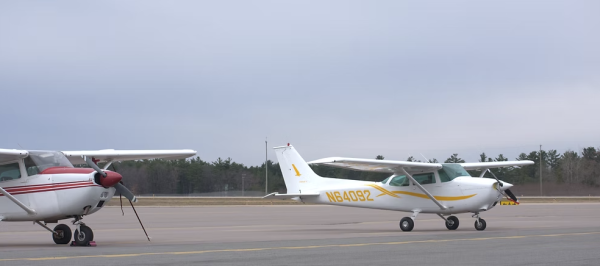
- High-Performance endorsement means you operate aircraft that have over 200 horsepower engines.
- You can also get a sea plane rating which means that you can fly and land sea planes in water.
- Instrument rating is usually the next rating/license that a pilot gets; an instrument rating requires more hours and time training than a private pilot certificate; you also need to pass a written exam and checkride. An Instrument rating allows you to fly in IFR weather and in class A airspace.
- A commercial pilot certificate means that you can get paid to fly. It is one of the hardest certificates to get. You need 250 total flight hours and a Private Pilot License and a First-Class Medical Certificate. You will need to pass a written exam and a flight check ride.
- Multi-engine rating means that you can fly multi-engine aircraft. To get this rating you only need to take a check ride. You also need 10–20 hours of flight instruction on average on top of your previous licenses and ratings.
- A Certified Flight Instructor: With your flight instructor license you can act as an FAA-authorized pilot who teaches, trains, and endorses student pilots. This is seen as the hardest certification to get. You need to be least 18 years old, able to read, speak, and understand English. You must already hold a commercial pilot certificate or Airline Transport Pilot certificate with the appropriate aircraft rating for the aircraft you fly. At the end of your training you will need to pass a knowledge test and a checkride with a Designated Pilot Examiner.